
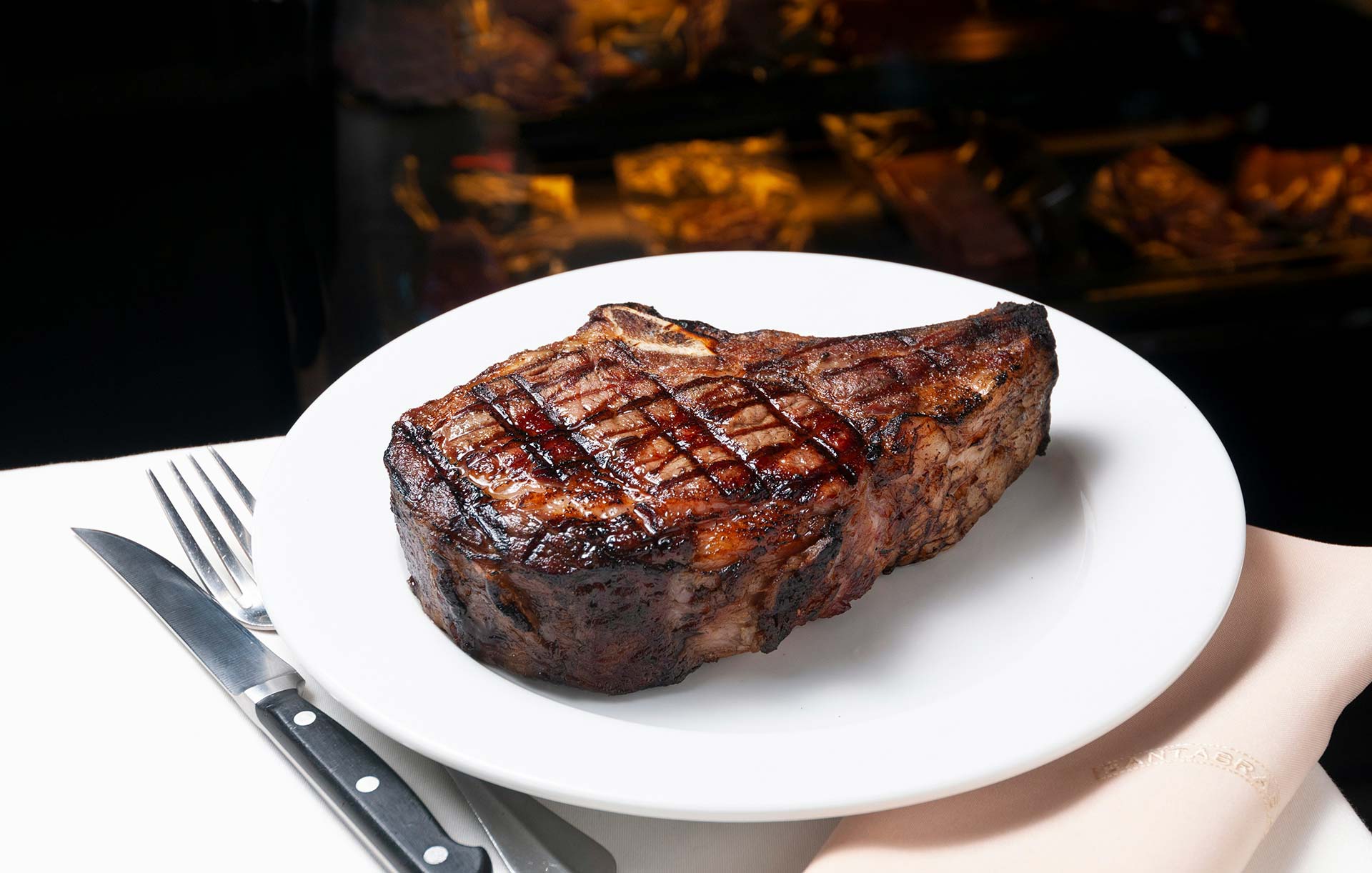
Save Money by Cutting and Cooking Steaks at Home
Grab a notebook and pencil and have a seat in Culinary.net’s Cookin’ Classroom! Every week, we’ll share cooking tips, kitchen hacks and easy ways you can become a better home cook. Whether you’re living on your own for the first time, starting a family or simply expanding your kitchen know-how, join us each week to learn how to sharpen your culinary skills.
You’ve been there before: Seated in a dimly lit restaurant, satisfied but not delighted by a 6-ounce filet mignon. Then the bill comes, and you’re left questioning whether it was worth the investment.
Instead of swiping the credit card for an underwhelming three-digit dinner for two, take matters into your own hands by becoming a master of the homecooked – and home-cut – steak. It starts with a whole beef tenderloin from your local grocery store, which typically costs around the same amount as a night out but provides a week’s worth of dinners instead of one subpar supper.
Gather a sharp knife, cutting board, paper towels, bowls for waste (edible and non), a plate or tray for your finished cuts and freezer paper for steaks you won’t cook right away.
Trim Silver Skin and Fat
Start by trimming silver skin from the tenderloin. (It’s the shiny, thick connective tissue that won’t break down when cooking if it’s not removed.) Discard.
Next, trim away white fatty areas but save some or all for future cooking use, like making ground beef.
Separate the Chain
You’ll notice on one side there’s a natural gap in the tenderloin that you can often separate by hand. The smaller piece is what’s known as the “chain,” a tougher cut of meat that works best for ground beef (especially burgers), stir-fries and stews.
Cut Steaks
Along with saving money from avoiding a restaurant tab, cutting steaks to your preferred thickness is the biggest advantage of buying a whole tenderloin, whether you prefer thick-cut or paper-thin.
If you’re not sure how thick to cut them, start with the three-finger method – the width of your first three fingers – for filets that are about 1 1/2 inches thick or 6-8 ounces.
Use Scraps for Ground Beef
The tender, delicious steaks may be the main attraction, but a whole beef tenderloin goes beyond just the filets. Trim the chain along with the head and tail from the main cut then cube into small pieces that are ready for the meat grinder to make ground beef for burgers, tacos, stews and stir-fries.
- Bring to temperature: While bringing steaks to room temperature isn’t absolutely necessary, you should never take a steak straight from the refrigerator to the grill. A cold cut will take longer to cook and can actually bring down the temperature of the grill, too.
- Season the meat: As the steaks rest on the counter and the grill heats up, it’s a perfect time to add seasonings. Keep it simple with a tiny bit of olive oil, salt and pepper.
- Set the right temperature: Speaking of the grill, the correct heat is critical. You’ll want a high/direct heat area of the grill for searing and a low/indirect area.
- Grill to your preferred doneness: Carefully place steaks over the high/direct heat and, despite the temptation, flip just once after a few minutes once the first side is seared. Let the second side sear and move to low/indirect heat. Use a meat thermometer to judge doneness to your liking: rare (115-130 F), medium-rare (130-140 F), medium (140-150 F), medium-well (150-160 F) or well done (160+ F).
- Rest the steaks: Those tender, juicy steaks are going to be tempting but letting them rest 5 minutes before serving allows juices to redistribute in the cut.
A few tools, a dash of motivation and a little know-how are all you need to skip the fancy restaurant and grill home-cut steaks from the comfort of your own patio.